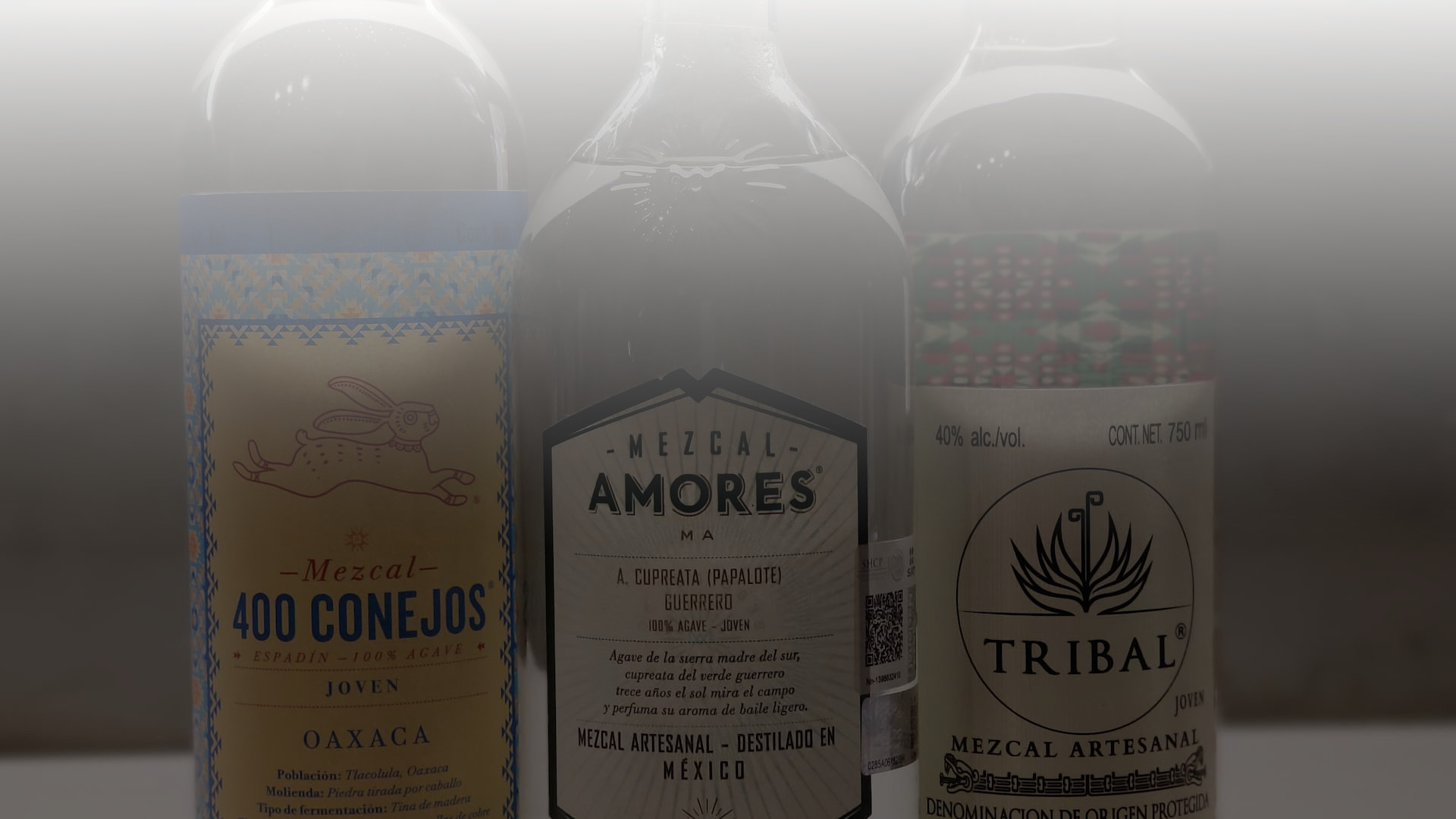
Mezcal: Mexico's Most
Misunderstood Spirit Explained
A deep dive into the craft, culture, and complexity of Mexico's ancestral spirit—by someone who has spent over a decade exploring its origins.
Begin the JourneyWhere Do You Want to Start?
Honest mezcal guidance from 10+ years visiting palenques in Oaxaca, Guerrero, and Durango. No affiliate links, no copied lists.
Best Mezcal 2026
50+ bottles tested. Honest picks from $28 to $200.
See Top Picks →Mezcal vs Tequila
Complete 2026 comparison. Price, flavor, production.
Compare Now →Complete Beginner?
Start here. What to buy first, how to taste it.
Start Here →Buying a Gift?
Impressive bottles at every budget. No bad picks.
Gift Guide →My first real encounter with mezcal wasn't at a trendy cocktail bar in Brooklyn or Mexico City. It was in a dusty village in the hills of Oaxaca, sitting on an overturned bucket in a family-run palenque, watching a third-generation mezcalero coax spirit from fire and agave.
That was more than ten years ago. Since then, I've traveled thousands of miles across Mexico—from the remote highlands of Oaxaca to the volcanic slopes of Jalisco to the deserts of Durango—seeking out the people, traditions, and techniques behind this extraordinary spirit.
This isn't a buying guide or a top-ten listicle. It's an honest exploration of what mezcal is, how it's made, and why it matters—told by someone who has learned by listening, tasting, and showing up.
What Exactly Is Mezcal?
Mezcal definition: Mezcal is a distilled spirit made from the cooked heart (piña) of the agave plant. It can be produced from over 50 agave varieties across nine Mexican states, with Oaxaca accounting for 85% of production. Traditional mezcal is pit-roasted, giving it distinctive smoky, complex flavors.
While the word "mezcal" comes from the Nahuatl words metl (agave) and ixcalli (cooked), its roots stretch back centuries before Spanish colonization.
"All tequila is mezcal, but not all mezcal is tequila."
This is the key distinction many newcomers miss. Tequila is technically a type of mezcal—made exclusively from blue Weber agave and produced in designated regions, primarily Jalisco. Mezcal, by contrast, can be made from over 50 varieties of agave and is produced across nine Mexican states. Learn more in our detailed mezcal vs tequila comparison.
The result? A spirit with far more diversity, complexity, and terroir expression than most drinkers realize.
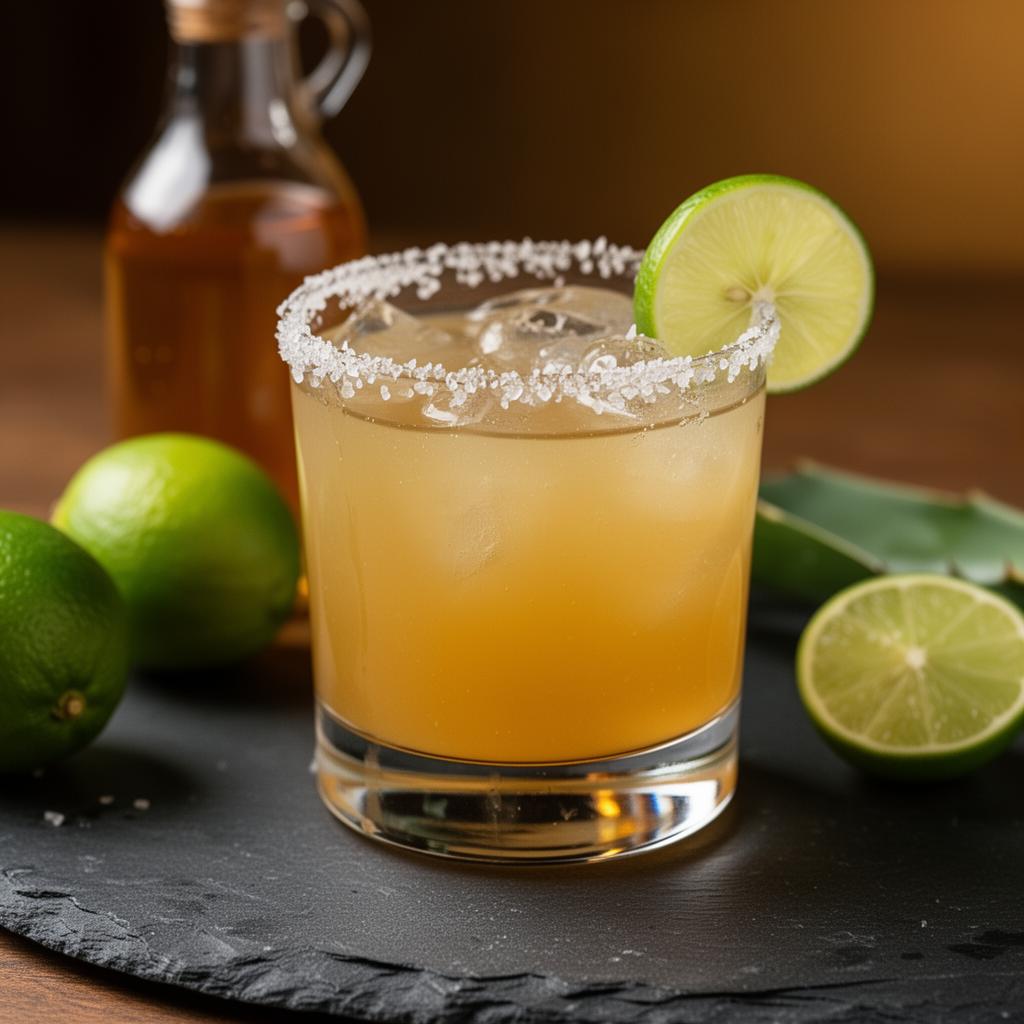
A classic mezcalita—one way to enjoy mezcal, though purists prefer it neat.
Learn more: Consejo Regulador del Mezcal (CRM) — the official regulatory body for mezcal.
What Most Mezcal Guides Get Wrong
After a decade of visiting palenques and talking to producers, I've noticed the same myths repeated across mezcal content—even by people who should know better. Here's what I've learned firsthand.
"All mezcal is super smoky"
Smoke levels vary dramatically. Mezcals from Guerrero and Durango can be bright and fruity with minimal smoke. Even within Oaxaca, technique matters more than geography.
What I saw at the palenque: In Guerrero, I tasted cupreata mezcals with notes of mango and fresh herbs—nothing like the smoky stereotype. The producer used a different wood and shorter roasting time.
"The worm makes it authentic"
Quality mezcal never has a worm. This is a mid-century marketing gimmick that serious producers reject. The worm (actually a moth larva) adds nothing positive—it's there to mask poor quality.
What I saw at the palenque: I've visited over 50 palenques. Not one serious mezcalero would put a worm in their product. When I asked about it, a fourth-generation producer in San Baltazar Guelavila laughed: 'That's for people who don't know mezcal.'
"Expensive always means better"
Price often reflects agave rarity and maturation time, not necessarily quality. A $35 espadín from a skilled mezcalero can be more balanced and interesting than a $150 bottle from a brand focused on marketing.
What I saw at the palenque: Some of my favorite mezcals cost under $50. The producer invested in agave and time, not fancy bottles and celebrity endorsements.
"Mezcal is just smokier tequila"
They're distant cousins, not siblings. Mezcal can be made from 50+ agave varieties (tequila uses one). Production methods, regions, and traditions are fundamentally different. The flavor range in mezcal is vastly wider.
What I saw at the palenque: Watching mezcal made in clay pots over wood fire versus tequila from industrial autoclaves—there's no comparison. The processes create completely different spirits.
"You need to be an expert to appreciate it"
You need curiosity, not expertise. The only requirements are patience (sip slowly) and openness (don't expect it to taste like anything else). Your palate develops naturally with exposure.
What I saw at the palenque: Mezcaleros don't use fancy tasting vocabulary. They talk about how the mezcal makes them feel, what memories it evokes. That's the real way to appreciate it.
The Agave: Heart and Soul of Mezcal
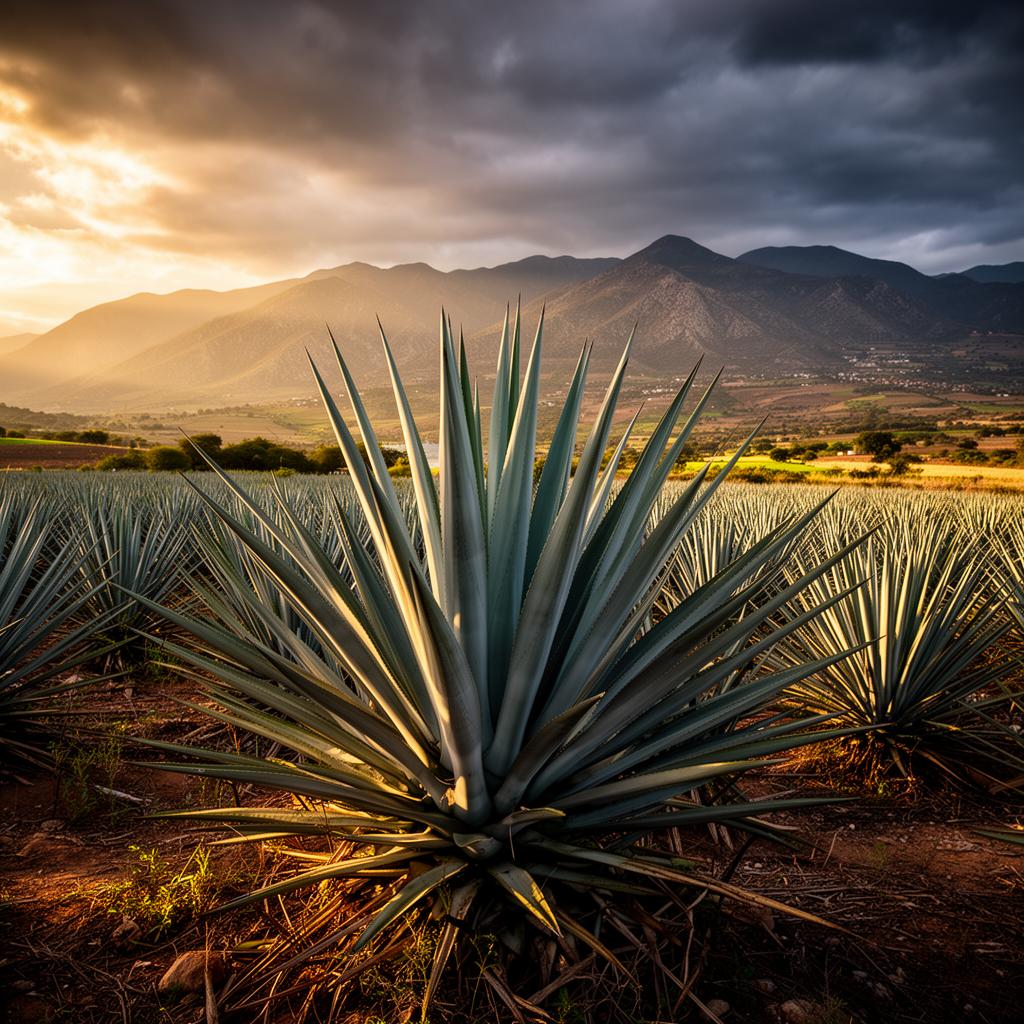
Agave plants in the Oaxacan highlands—some varieties take 25+ years to mature.
If mezcal is a spirit of place, agave is its anchor. Unlike grapes in winemaking—which can be harvested annually—agave plants take anywhere from 7 to 35 years to mature before they can be harvested. This slow growth infuses the piña with complex sugars and unique flavor compounds.
Common Agave Varieties
- Espadín — The workhorse of mezcal. Accounts for ~90% of production. Herbaceous, slightly sweet, with gentle smoke. Matures in 7-10 years.
- Tobalá — Wild agave found at high altitudes. Floral, fruity, delicate. Often considered the "king of mezcals." Takes 12-15 years to mature.
- Tepeztate — Grows on rocky cliffs and hillsides. Intensely vegetal, earthy, with long, complex finishes. Can take 25-35 years to mature.
- Arroqueño — Large, dramatic plants producing bold, savory mezcals with notes of chocolate, leather, and roasted vegetables. 15-20 years to mature.
Research: Agave research on ScienceDirect
How Mezcal Is Made (Traditional Process)
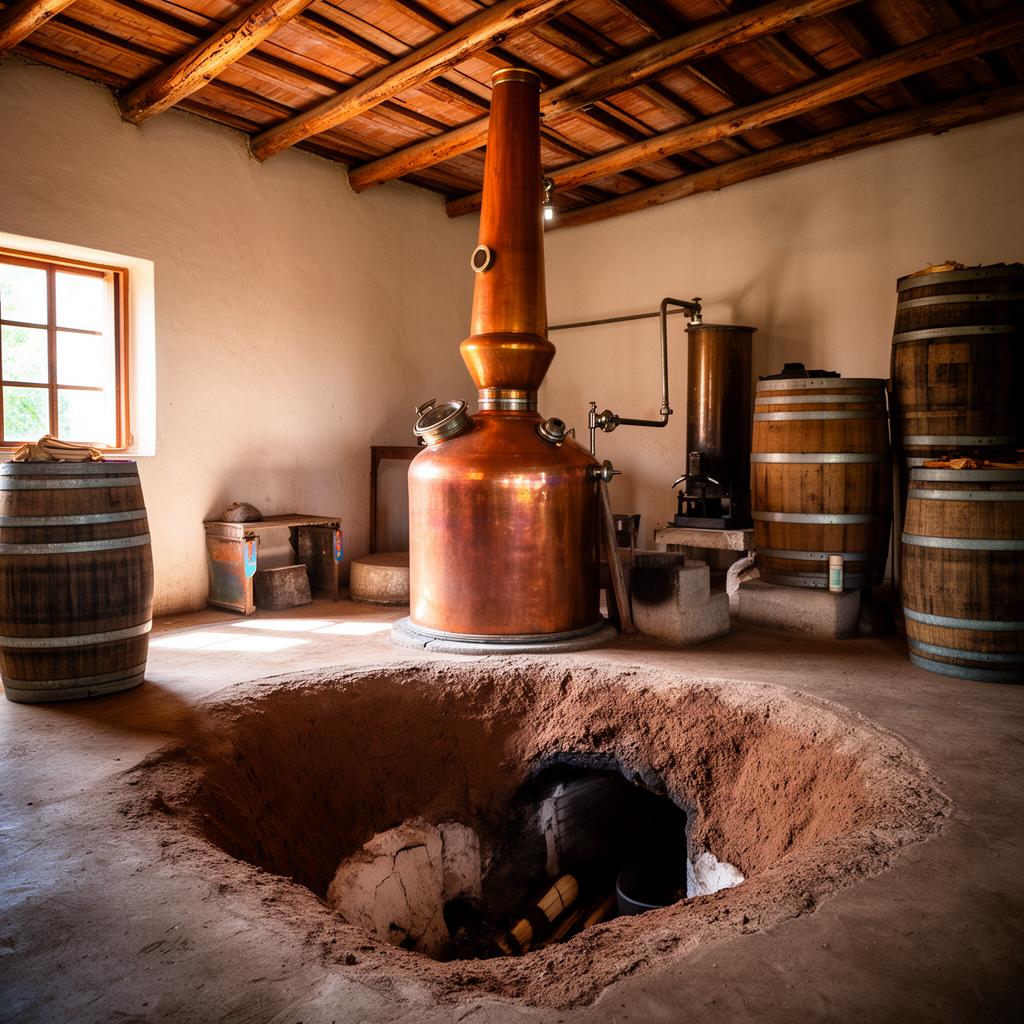
Inside a traditional palenque—where fire, time, and skill transform agave into spirit.
Traditional mezcal production is a labor of patience and precision. Unlike industrial spirits, artisanal mezcal relies on techniques passed down through generations—methods that prioritize flavor over efficiency.
- 1Harvesting the PiñasThe jimador uses a sharp coa to remove the agave's leaves, revealing the piña—which can weigh anywhere from 40 to 200+ pounds.
- 2Cooking in Earthen PitsPiñas are roasted in underground pits lined with volcanic rock and covered with agave fibers and earth. This slow roast—often lasting 3-5 days—caramelizes sugars and imparts mezcal's signature smokiness.
- 3Crushing the AgaveTraditionally done with a tahona—a large stone wheel pulled by a horse or mule—this step extracts the sweet, smoky juices from the cooked agave.
- 4FermentationThe crushed agave and juices are placed in wooden vats or hollowed-out tree trunks, where wild yeasts ferment the sugars into a low-alcohol mash over 4-30 days.
- 5DistillationThe fermented mash is distilled—usually twice—in copper or clay pot stills. The mezcalero carefully separates the "heads" and "tails" to capture only the heart of the distillate.
Artisanal vs Industrial Mezcal
Not all mezcal is created equal. The distinction between artisanal and industrial production affects everything from flavor complexity to environmental impact.
| Aspect | Artisanal / Ancestral | Industrial |
|---|---|---|
| Cooking Method | Underground earthen pits with wood fire | Autoclaves or industrial ovens |
| Crushing | Tahona (stone wheel) or hand-mashing | Mechanical shredders |
| Fermentation | Wild yeasts, wooden vats, 4-30 days | Commercial yeasts, steel tanks, 1-3 days |
| Distillation | Clay or copper pot stills | Column stills |
| Batch Size | Small batches (100-500 liters) | Large volume (10,000+ liters) |
| Flavor Profile | Complex, varied, terroir-driven | Consistent, simplified, less nuanced |
Why Some Mezcals Taste Too Smoky
"I don't like mezcal—it's too smoky." I've heard this countless times, and I understand. But the truth is, overpowering smokiness is often a sign of poor production, not an inherent characteristic of mezcal.
Here's what can go wrong:
- Over-roasting: Leaving piñas in the pit too long or using excessive heat creates harsh, acrid smoke flavors.
- Poor pit management: Improperly sealed pits or wet wood can produce bitter, ashy notes.
- Rushing fermentation: Short fermentation doesn't allow complex flavors to develop, leaving smoke dominant.
- Bad cuts: Including too many "tails" in the final spirit can introduce harsh, smoky off-flavors.
A well-made mezcal integrates smoke as one note in a symphony—not a one-note assault. Seek out producers who take pride in balance and complexity.
How to Drink Mezcal the Right Way
How to drink mezcal: Sip slowly at room temperature using a wide-mouth glass. Never shoot or add ice. Take small sips, letting it rest on your palate to appreciate evolving flavors. Pair with orange slices and sal de gusano (worm salt) between sips.
Mezcal is meant to be savored, not slammed. The ritual of drinking mezcal is as important as the spirit itself. For complete guidance, see our mezcal for beginners guide.
Mezcal Tasting Tips
- Sip, don't shoot. Mezcal rewards patience. Take small sips and let the spirit rest on your palate.
- Use proper glassware. A traditional copita, jicara (dried gourd), or veladora allows you to appreciate the aroma. Wide-mouth glasses work best.
- Room temperature. Avoid ice or chilling—cold mutes the complex flavors mezcal has to offer.
- Pair thoughtfully. Orange slices with sal de gusano (worm salt), dark chocolate, or aged cheese complement mezcal's complexity.
"Mezcal is not about getting drunk. It's about connecting—to the moment, to the people around you, to centuries of tradition."
How to Choose a Good Mezcal
Reading a mezcal label can feel like decoding a foreign language. Here's what to look for. For detailed recommendations, explore our complete guide to choosing the best mezcal.
Label Classifications
- Mezcal Ancestral — The highest traditional standard. Made with earthen pit roasting, tahona or hand-crushing, wild fermentation in wood or clay, and distillation in clay pot stills. No mechanical equipment allowed.
- Mezcal Artesanal — Traditional methods with some flexibility. Pit roasting, tahona or mechanical crushing, wild or cultivated yeasts, copper or clay stills. The sweet spot for quality and accessibility.
- Mezcal — The broadest category. May include industrial methods like autoclaves and column stills. Not necessarily bad, but buyer beware.
Other Things to Look For
- Agave variety — Listed on most quality bottles. Single-variety mezcals let you taste the plant's character.
- Producer/Mezcalero name — Transparency about who made it is a good sign.
- Region — Different mezcal regions (Oaxaca, Durango, Guerrero) produce distinct flavor profiles.
- Batch/Lot number — Small batch production typically means more care and consistency.
The Future of Mezcal
Mezcal's global surge in popularity is a double-edged sword. On one hand, it brings economic opportunity to rural Mexican communities. On the other, it threatens the very traditions and ecosystems that make mezcal special.
Key Challenges
- Agave sustainability: Wild agave populations are declining due to overharvesting. Some varieties take 25+ years to mature—far longer than current demand allows.
- Fair compensation: Many mezcaleros receive a fraction of what their bottles sell for internationally. Supporting brands that prioritize fair pay matters.
- Cultural preservation: As industrial production scales up, traditional methods risk being lost. The craft must be protected.
Further reading: The Race to Save Mezcal From the World
Frequently Asked Questions About Mezcal
Get quick answers to common mezcal questions. New to mezcal? Start with our beginner's guide.
What is mezcal?
Mezcal is a distilled spirit made from cooked agave plants, primarily produced in Oaxaca, Mexico. Unlike tequila (which uses only blue agave), mezcal can be made from over 50 agave varieties. Traditional mezcal is pit-roasted, giving it distinctive smoky, complex flavors that vary by agave type and region.
Is mezcal stronger than tequila?
Not necessarily. Both mezcal and tequila typically range from 38-55% ABV (76-110 proof). The perception that mezcal is "stronger" often comes from its more intense flavor profile—particularly its smokiness and complexity—rather than a higher alcohol content. Always check the label for specific ABV.
Why is mezcal smoky?
Mezcal's smokiness comes from the traditional cooking method. Agave piñas are roasted in underground pits lined with hot volcanic rocks and covered with earth. This slow roasting—lasting 3-5 days—caramelizes the agave's sugars and infuses the plant with wood smoke. The intensity of smokiness varies significantly based on cooking time, wood type, and the producer's technique.
How do you drink mezcal properly?
Sip mezcal slowly at room temperature—never shoot it or add ice. Use a wide-mouth glass like a copita or veladora to appreciate the aromas. Take small sips, letting it rest on your palate. Many enjoy mezcal with orange slices and sal de gusano (worm salt) between sips. Quality mezcal rewards patience and attention.
How should I store mezcal?
Store mezcal upright in a cool, dark place away from direct sunlight and temperature fluctuations. Unlike wine, mezcal doesn't improve with age once bottled—but it also doesn't spoil. Keep the bottle tightly sealed to prevent evaporation and oxidation. There's no need to refrigerate mezcal; room temperature is ideal for serving.
What's the difference between mezcal and tequila?
Tequila is actually a type of mezcal, made exclusively from blue Weber agave in designated regions (primarily Jalisco). Mezcal can be made from over 50 agave varieties across nine Mexican states. The production methods also differ: tequila is typically steamed in above-ground ovens, while mezcal is roasted in underground pits, contributing to its distinctive smoky character.
Does mezcal have a worm in it?
Authentic, quality mezcal does not contain a worm. The "gusano" (actually a moth larva) was a marketing gimmick started in the 1950s and is generally considered a sign of lower-quality mezcal. Traditional mezcaleros view adding a worm as disrespectful to the craft. If you see a worm, it's best to choose a different bottle.
Quick Mezcal Facts
- • Mezcal is made from 50+ agave varieties (tequila uses only one)
- • Traditional mezcal is pit-roasted for 3-5 days
- • Oaxaca produces 85% of all mezcal
- • Quality mezcal should be sipped, not shot
- • The worm is a marketing gimmick—avoid bottles with it
About the Author
David E.
Mezcal Enthusiast & Writer
For more than a decade, I've traveled across Mexico—from the remote highlands of Oaxaca to the volcanic slopes of Jalisco to the deserts of Durango and Guerrero—seeking out the mezcaleros, traditions, and techniques behind this extraordinary spirit.
My approach is simple: show up, listen, learn. I've sat with third-generation producers, helped harvest agave at dawn, and tasted hundreds of mezcals straight from the still. This site exists to share what I've learned—not as a salesman, but as someone genuinely passionate about preserving and honoring this craft.
I believe in supporting small producers, paying fair prices, and drinking with intention. If you're new to mezcal, I hope this site helps you discover something remarkable.