What Is Clase Azul Mezcal?
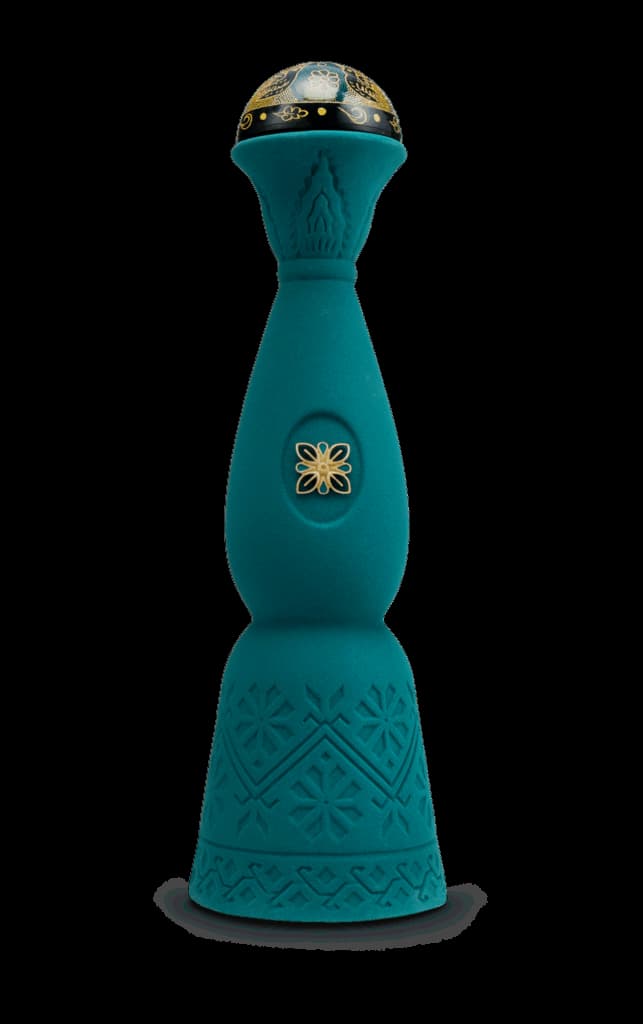
Clase Azul Mezcal is the mezcal range from Clase Azul, the Mexican brand best known for hand-painted ceramic tequila decanters. Each bottle is handmade by artisans and signed by the painter—the packaging is genuinely art-object quality.
Tasting Notes
The Durango expression (cenizo agave) offers herbal, mineral notes with moderate smoke and a clean finish. The Guerrero expression brings tropical fruit and earthiness. Both are competently made and pleasant to drink—just not at the level the price suggests.
From the Palenque: How It's Made
The bottle is handmade by artisans in Jalisco. The mezcal is produced by contract distillers in Durango and Guerrero. The craft is real—it's just concentrated in the pottery, not the spirit. The mezcal inside is competent but not exceptional.
Is Clase Azul Worth It?
Here's the uncomfortable truth about Clase Azul: the mezcal inside is good—maybe $60-70 good. The ceramic bottle accounts for $80-100 of the price. If you want the best mezcal for $150, buy Real Minero Largo or Lalocura Tepeztate. If you want a stunning gift that happens to contain decent mezcal, Clase Azul delivers. Know what you're buying.
How Clase Azul Compares to Similar Bottles
At $175 average, Clase Azul competes with Real Minero Largo and Lalocura Tepeztate—both deliver dramatically more interesting mezcal at the same price. Against premium Del Maguey expressions like Chichicapa ($90), Clase Azul costs nearly double for arguably less character in the glass.
| Mezcal | Price | ABV | Verdict |
|---|---|---|---|
| Clase Azul Mezcal | $150-200 | 40-42% | Beautiful bottle, decent mezcal |
| Real Minero Largo | $150 | 49% | Better mezcal, simpler bottle |
| Del Maguey Chichicapa | $90 | 46% | Half the price, more character |
| Vago Elote | $65 | 50.6% | Best sipping value |
Where to Buy Clase Azul
ReserveBar, high-end liquor stores, and select Total Wine locations. Often available on Drizly. Limited distribution by design—Clase Azul positions as a luxury gift product.
Clase Azul Mezcal Full Tasting Notes
I tasted both expressions neat in a copita, then again in a Riedel mezcal glass for comparison, then a third time the next day for confirmation. Here is what is actually in the bottle.
Clase Azul Durango (Cenizo) neat — Nose: cooked agave, wet stone, dried herbs (think rosemary and faint thyme), a thread of mesquite smoke that never gets aggressive. Palate: medium-bodied, soft entry, gentle sweetness from the cenizo, a flash of black pepper mid-palate, no rough edges anywhere. Finish: clean, slightly drying, short-to-medium. It is well made and it is also extremely polite. You will not find a flavor that surprises you.
Clase Azul Guerrero (Papalote) neat — Nose: tropical and softer than the Durango—pineapple, green banana, a little wet hay, very faint smoke. Palate: rounder and sweeter than the Durango, more obvious fruit, lighter mineral backbone. Finish: short, soft, almost gentle. This is the more 'drinker-friendly' of the two, but also the one furthest from what makes wild-agave mezcal interesting.
Side by side: which expression is actually better? — The Durango wins on character, the Guerrero wins on approachability. If you are buying for yourself and you actually like mezcal, pick the Durango—it has more of the herbal/mineral identity that makes cenizo worth bottling separately. If you are buying as a gift for someone who normally drinks tequila or doesn't love smoke, the Guerrero is the safer pour.
Compared to palenque-visited contract distillers — This is where the honest part lands. At Real Minero, Lalocura, and Vago, the producer's name is on the bottle and the family is in the still. With Clase Azul, the distiller is anonymous, the production is contract, and the brand owns the recipe. None of that is illegal or even unusual—plenty of good mezcal is made on contract. But it does mean the bottle is engineered for consistency and broad palate appeal rather than for the specific terroir or technique of a named producer. You can taste the difference. The Clase Azul bottles are cleaner, rounder, and more anonymous; the palenque bottles are louder, weirder, and more memorable.
Who Should Actually Buy Clase Azul Mezcal?
Perfect for: milestone gifts (a 40th birthday, a wedding, a promotion), display pieces on a bar cart that gets seen by guests, people who drink with their eyes first, corporate gifting where the ceramic packaging does real work, and gift recipients who already collect Clase Azul tequila and want the matching mezcal in the lineup. In all of these cases the bottle is doing measurable work, and the math is fine.
Skip it if: you care about price-to-quality ratio, you are buying for yourself to drink on a regular Tuesday, you already own Real Minero or Lalocura at the same price point, you primarily mix cocktails (the 40-42% ABV gets lost in dilution and you would be pouring a $175 bottle through ice), or you measure mezcal by aromatic intensity and producer story rather than by presentation. In every one of those cases there is a better way to spend $150-200, and several of them are listed below.
Clase Azul Mezcal vs Clase Azul Tequila: Which Is Better?
Most people meet Clase Azul through the iconic blue-and-white Reposado tequila decanter long before they encounter the mezcal range. That order matters, because the tequila line is the stronger product and the mezcal line is the brand extension—not the other way around.
Production differences. The Clase Azul Reposado Tequila is distilled in Jalisco from estate-influenced agave with a more established producer relationship; the brand has spent two decades refining that liquid. The mezcal line, by contrast, is produced under contract in Durango and Guerrero from agave the brand sources rather than grows, and the recipe is engineered for cross-compatibility with the existing Clase Azul palate (clean, soft, low smoke). The tequila tastes like a mature product; the mezcal tastes like a careful brand extension.
Verdict: which one actually justifies the ceramic bottle price more? The Reposado Tequila at $120 is the better gift and the better drinker. You get a more developed liquid, a longer production history, and a lower price for the same quality of ceramic. The mezcal at $175 only wins if the recipient specifically asks for mezcal or already owns the Reposado. Default to the Reposado unless there is a specific reason not to.
The Ceramic Bottle Economics: What You're Really Paying For
Let's do the math out loud, because nobody else on the internet seems willing to. A reasonable retail breakdown of a $175 Clase Azul Mezcal bottle: roughly $60-70 of liquid value (consistent with what a contract-produced 40-42% mezcal of this quality would cost from a non-brand producer), and roughly $80-100 of packaging, brand premium, distribution, and retail margin. The remaining $5-15 is shipping, taxes, and breakage allowance for the ceramic.
Is the ceramic worth $80-100 on its own? Genuinely, almost. Each bottle is hand-painted by an artisan in Jalisco, signed by the painter, and the process is real—I've seen video footage of the studios and the work is skilled. A hand-painted ceramic vessel of that size and detail sold as art would not cost less than $60 retail. So the packaging premium is not fake; it is just very large relative to the liquid inside.
Resale and collector value. Empty Clase Azul bottles—especially limited editions and the larger tequila decanters—have a real secondary market. eBay listings for empty Día de los Muertos limited editions regularly clear $100-300. People convert them into lamps, vases, and display pieces. This is genuinely unusual for a spirits brand and is part of why the gift math works: the recipient keeps the bottle long after the mezcal is gone.
Clase Azul Mezcal Gift Guide: When It's the Right Choice
Clase Azul is one of the few spirits where presentation can be worth more than the liquid—if the occasion supports it. Use this as your filter: would the recipient remember the bottle a year from now even after it is empty? If yes, Clase Azul is doing real work. If no, you are overpaying.
Occasions where presentation matters more than liquid quality: milestone birthdays (especially 40 and above), retirements, wedding gifts to the couple (the empty bottle becomes a keepsake), executive corporate gifting, housewarming gifts for someone with a styled bar cart, and host gifts at high-end gatherings where the bottle will be visible to other guests before it is opened.
How to gift it well: pair the Durango expression with a small set of two copitas (clay tasting cups, about $20 from any mezcaleria gift shop) and a brief handwritten note explaining the cenizo agave and the painter's signature on the bottle. Suggest the recipient open it with someone they care about rather than alone. This frames the bottle as an experience and an heirloom, not as a $175 spirit.
For more options at this gift tier, see our full gifts for mezcal lovers guide at /mezcal-gift-guide—Clase Azul is the obvious gift bottle, but there are several less-expected alternatives (Real Minero, El Jolgorio limited editions, custom mezcal/copita pairings) that land harder for someone who actually knows mezcal.
Clase Azul FAQ
Is Clase Azul mezcal good?+
Clase Azul mezcal is competently made and pleasant to drink, but it is not a great mezcal by enthusiast standards. The Durango (cenizo) and Guerrero (papalote) expressions are both clean, low-proof (40-42% ABV), and engineered for accessibility rather than character. After tasting them side-by-side with palenque-bottled mezcal from Real Minero, Lalocura, and Vago at the same or lower price, the liquid simply does not keep up. It is a good mezcal. It is not a $175 mezcal. Most of what you are paying for sits on the outside of the bottle, not inside it.
How much does Clase Azul mezcal cost in 2026?+
Clase Azul Mezcal retails between $150 and $200 in the US in 2026. The Durango expression typically runs $150-170 at Total Wine and ReserveBar, with the Guerrero expression landing closer to $180-200 due to lower production volume. Drizly and high-end liquor stores often charge full $200. There is essentially no meaningful discount window—Clase Azul rarely goes on sale because it is positioned and sold as a gift product, not a value buy.
Where can I buy Clase Azul mezcal?+
Clase Azul Mezcal is available at ReserveBar (most consistent stock), select Total Wine locations (call ahead—stock varies by store), Drizly, and high-end specialty liquor retailers in major cities. Distribution is intentionally limited to maintain the luxury positioning. Airport duty-free shops at MEX, GDL, and select US international terminals also carry it, sometimes at slightly better pricing than US retail.
What does Clase Azul mezcal taste like?+
The Durango expression (cenizo agave) shows herbal and mineral notes, moderate mesquite smoke, a touch of black pepper, and a clean, slightly sweet finish. The Guerrero expression (papalote agave) is more tropical—pineapple, green banana, light earthiness, and softer smoke. Both are low-proof (40-42%), so aromatic intensity is muted compared to higher-proof artisanal bottles. They are easy to sip, polished, and approachable—closer in profile to a polished sipping tequila than to a rustic, characterful traditional mezcal.
Is Clase Azul mezcal worth the price?+
Honestly, no—not if you are buying it to drink. For $150-200 you can buy Real Minero Largo, Lalocura Tepeztate, or two bottles of Vago Elote, all of which deliver dramatically more interesting mezcal in the glass. The only scenarios where Clase Azul is the right buy are milestone gifts, corporate gifting, display pieces, or occasions where the ceramic bottle does real work for you. Treat the bottle as the product and the mezcal as a pleasant bonus, and the price math makes sense. Treat it as a drinker first, and it will disappoint you.
Is Clase Azul mezcal better than Clase Azul tequila?+
The tequila line (especially the Reposado) is what built the brand and is, in my opinion, the stronger product. The mezcal line is competent but does not have the same depth of producer relationships behind it. If a gift recipient already knows Clase Azul, they almost certainly know the tequila first—buying the Reposado tequila ($120) is usually a more satisfying gift than the mezcal at a higher price.
Continue Reading
- Full Best Mezcals 2026 Guide
- Mezcal vs Tequila Guide
- Del Maguey Vida Review
- Bozal Mezcal Review
- El Silencio Mezcal Review
- Casamigos Mezcal Review
This review reflects independent tasting and palenque visits by David E. MezcalMX is an educational resource and does not sell alcohol or accept paid placements.